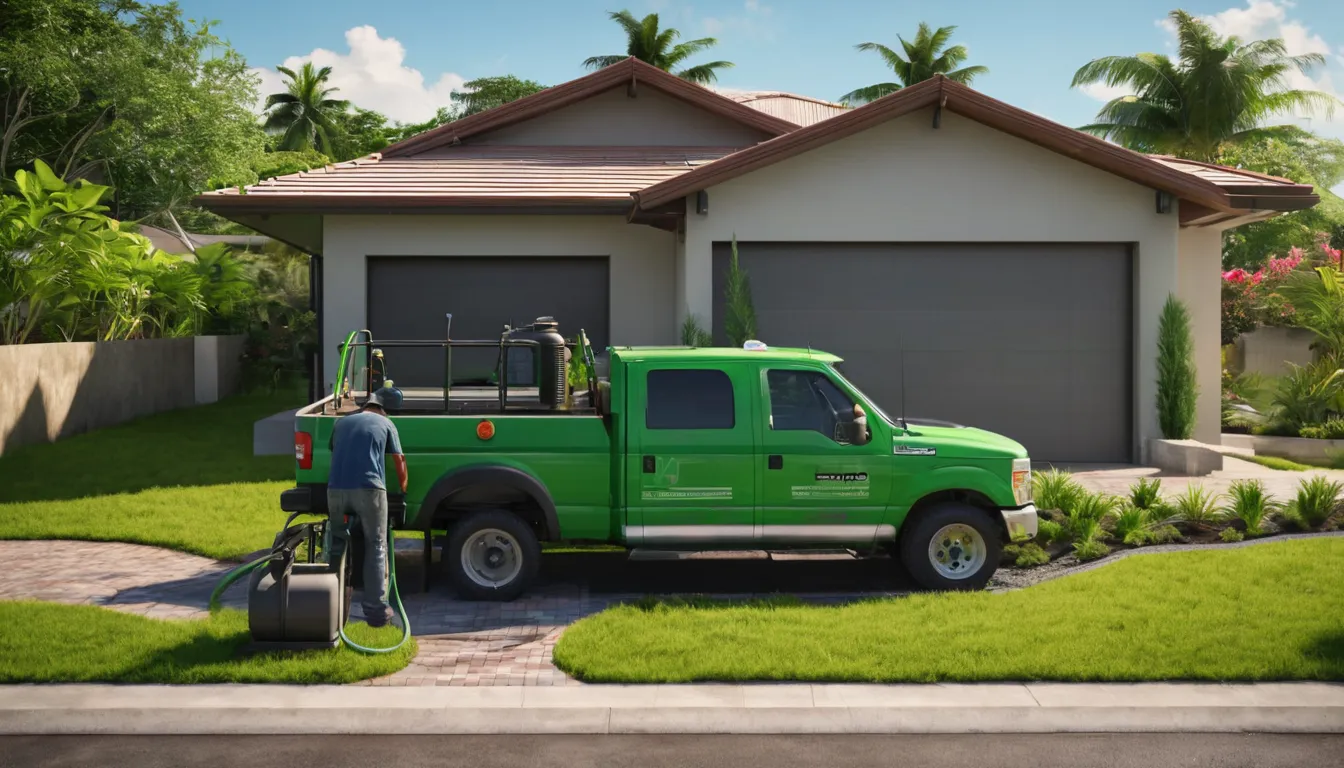
Septic Tank Pumping
A full septic tank gives warning signs, and a local provider in our network can empty it before they grow.
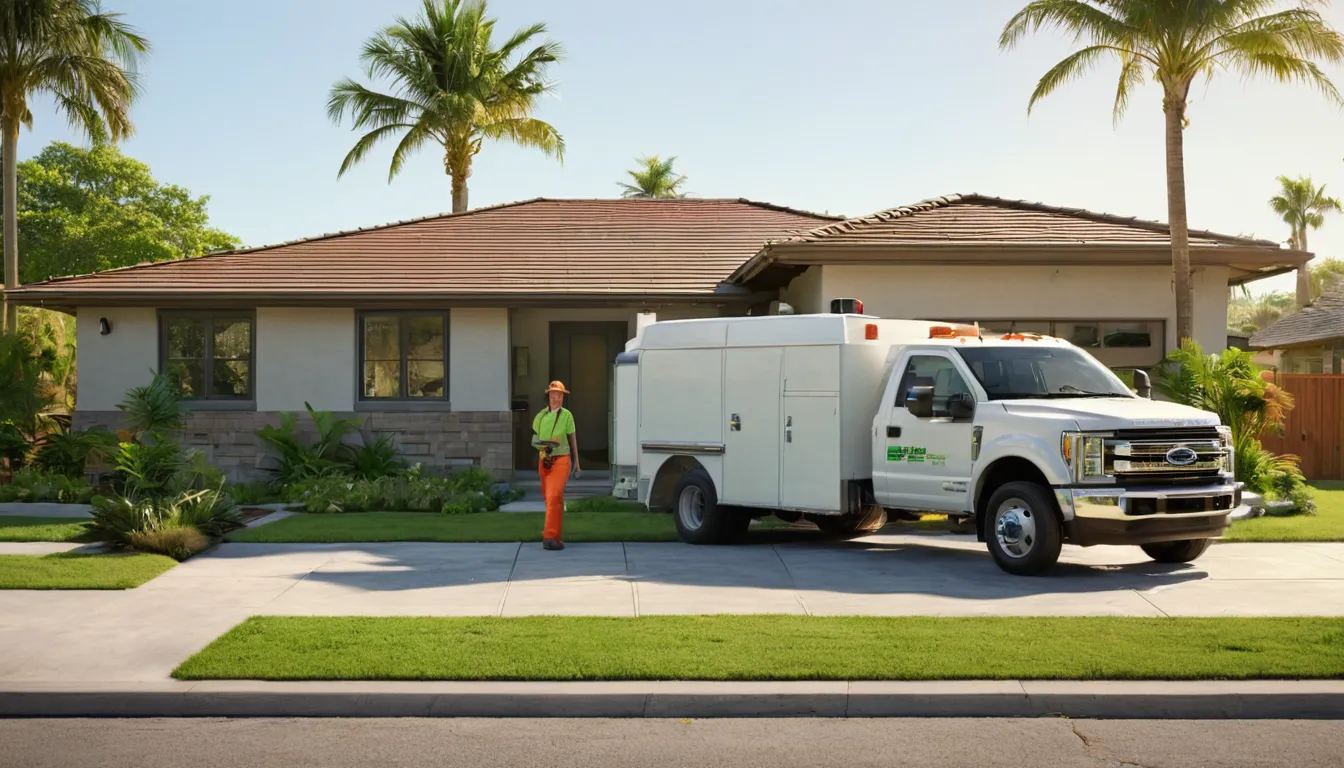
Gurgling drains and slow toilets are signs to take seriously. Pressureconstant Septic connects you with an independent local provider, so you can get a written quote while the problem is still small.
Most homeowners come here for one of two jobs. Pick the one that fits your situation below. Each page explains what to expect, what affects the price, and when it makes sense to act.
A full septic tank gives warning signs, and a local provider in our network can empty it before they grow.
A cracked, clogged or collapsed sewer line gets worse with time, so find out what you are dealing with early.
Have a septic or sewer problem? Send a request and a local provider in our network can follow up with a written quote. Or Request a callback to check provider availability.
No obligationSeptic and sewer trouble loves bad timing. Guests are visiting, a storm is rolling in, and the shower drain starts to gurgle. If that sounds familiar, you are in the right place.
Pressureconstant Septic is a referral service for homeowners in Apopka and the Apopka area. We do not dig, pump or repair anything ourselves. We connect you with an independent local provider in our network, and that provider does the work.
This site covers two common jobs. The first is septic tank pumping, the routine service that keeps a tank from filling up and pushing trouble into the drainfield. The second is sewer line repair, for pipes that are cracked, clogged by roots or shifted over time.
We also want you to know the money side before you pick up the phone. In the U.S., pumping often runs about $300 to $600. Sewer line repair can range from a few hundred dollars to several thousand. Prices vary by job, so always ask for a written quote.
Acting early usually keeps the repair smaller and the bill easier to handle. A short request now is often better than a messy backup later.
You tell us what is going on. You can send a short request or call. Pressureconstant Septic then connects you with an independent provider in our network who serves your part of the Apopka area. That provider talks with you, looks at the problem, and gives you a written quote. Pressureconstant Septic does not do the work, set the price or run the schedule. The provider does.
Here is the simple path:
No two septic or sewer jobs cost the same. For pumping, tank size matters most. Next come how full the tank is and how easy the lid is to reach. In the U.S., routine pumping often falls around $300 to $600. Emergency septic cleaning can cost more, because of rush scheduling or a backup that needs extra cleanup.
Sewer line repair depends on pipe depth, length and the repair method. A camera inspection might run $100 to $500. A small spot repair may cost $1,000 to $4,000, and a long replacement can reach $10,000 or more. Drainfield repair is often a bigger project, sometimes $2,000 to $10,000 or higher.
A written quote lists the work, the parts and the price in one place. It helps you compare, and it keeps surprises down. Ask what is included, what could change the total, and what happens if the provider finds something unexpected once the work begins.
Pressureconstant Septic focuses on homeowners in Apopka and across the Apopka area. That includes quiet streets in older subdivisions, newer neighborhoods, and condo communities where several units share one set of lines.
Providers in our network know the local housing. Many homes here are concrete block on a slab, with tile or shingle roofs. Pipes often run under the floor instead of through a basement. That changes how a provider finds a leak or a blockage, and it can change the price of a repair.
Some properties use a septic tank and drainfield. Others connect to a municipal sewer main, with a private lateral pipe between the house and the street. Both setups can run into trouble. Tanks fill up, roots invade pipes, and heavy rain can overwhelm a soggy yard.
Not sure which kind of system you have? That is a very common question. Describe what you see, such as a metal lid in the yard or a cleanout cap near the foundation. A provider can help sort it out during the visit.
If something looks wrong right now, Request a callback to check provider availability. Availability and hours vary by provider, so asking early helps.
Almost daily summer storms are part of life here. Heavy rain can soak the ground around a drainfield. When the soil cannot take any more water, wastewater has nowhere to go. A tank that is already close to full feels the strain first. Regular pumping gives your system more breathing room.
From June to November, many homeowners think about shutters and supplies. Put the septic tank on that list too. A recently pumped tank has more space during flooding or a power outage. If a storm leaves standing water over the drainfield, ask a provider before you use the system heavily.
Concrete block homes on slabs rarely have basements. Drain lines run under the floor, out of sight. You may not notice a problem until a floor feels damp or a drain backs up. A camera inspection lets a provider look inside the pipe instead of guessing.
Warm, humid weather keeps trees and shrubs growing most of the year. Roots search for moisture and can slip into small cracks in older sewer lines. Homes built from the 1970s through the 2000s may show wear at joints and fittings.
In a subdivision, neighbors may have similar pipes of similar age. In a condo, a shared line can affect several units at once. If you live in a condo, tell your association early. It may change who arranges the repair.
Some properties use a private well along with a septic system. Providers who offer water well service may also check how far the well sits from the drainfield. If water looks cloudy or smells odd after heavy rain, ask a provider about testing.
Spread laundry loads over the week. Keep grease, wipes and paper towels out of the drain. Know where your tank lid sits. Keep a simple record of past pumping dates, so the next provider can see the history.
Ready to get started? Send a short request and tell us what you are seeing. A provider in our network can follow up with questions and a written quote.
You can also Request a callback to check provider availability. Hours vary by provider, so a quick request is a good first step. There is no obligation to hire anyone.
Many households pump every three to five years, but it depends on tank size, household size and water use. A provider can check sludge levels and suggest a schedule. Typical U.S. pumping costs run about $300 to $600, varying by job.
Costs vary widely by pipe depth, length and method. In the U.S., a camera inspection may run $100 to $500, a spot repair $1,000 to $4,000, and a full replacement $10,000 or more. Always get a written quote before work begins.
Watch for slow drains, gurgling pipes, sewage smells and soggy patches over the tank or drainfield. A backup into a tub or toilet is a stronger warning. If you see these signs, ask a provider to take a look.
No. Pressureconstant Septic is a referral service. We connect homeowners with independent local providers in our network, and those providers do the work, set the prices and give you the written quote.
Yes. Saturated soil can keep a drainfield from absorbing water, which may cause slow drains or backups. This is common during rainy summers and hurricane season. A recently pumped tank has more room. If water pools over the drainfield, avoid heavy water use and ask a provider for advice. Some providers also offer emergency septic cleaning when a backup occurs.
Have a septic or sewer problem? Send a request and a local provider in our network can follow up with a written quote. Or Request a callback to check provider availability.
No obligation